Spec Execution
6-phase iterative specification execution workflow covering implementation, testing...
Install
npx skills add a5c-ai/babysitter --skill spec-execution -g -a claude-code -y- Repository
- a5c-ai/babysitter1.9k
- Category
- Testing
- Updated
- 3d ago
- License
- MIT
- Context cost
- Lightabout 351 tokens
- Runs scripts
- No, instructions only
What it does
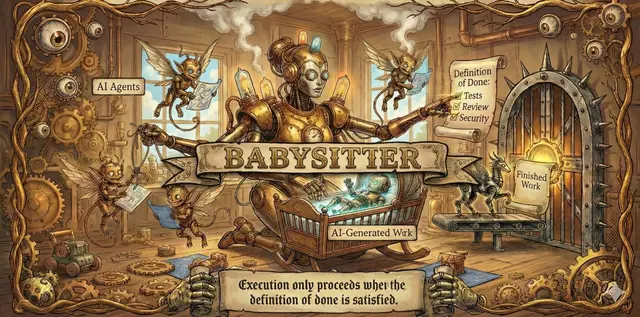
6-phase iterative specification execution workflow covering implementation, testing, review, improvement, commit, and progress tracking with quality-gated convergence.
- Read specification for requirements and architecture
- Implement each requirement following project conventions
- Add type definitions and JSDoc documentation
- Implement error handling for all failure modes
Phase 2: Test Writing
- Write unit tests for each module/function
- Write integration tests for API boundaries
- Cover all acceptance criteria from the specification
- Test edge cases and error paths
Phase 3: Code Review
- Verify all requirements are implemented
- Check acceptance criteria are tested
- Review architecture adherence
- Assess code quality
Phase 4: Iterative Improvement
- Address review findings
- Fix failing tests
- Resolve architecture deviations
- Re-verify quality (convergence loop, max 3 cycles)
Phase 5: Atomic Commit
- Group changes into logical atomic commits
- Descriptive messages following project conventions
- Separate production, test, and config changes
- Include specification reference
Phase 6: Progress Tracking
- Requirement completion percentage
- Test coverage summary
- Quality score report
- Remaining work identification
Quality Gate
Quality threshold defaults to 80. If not met after max improvement cycles, a human breakpoint is triggered for review.
When to Use
/spec:execute [file]slash command- After spec creation when ready to implement
Processes Used By
claudekit-spec-workflow(execute mode)





