Internal Comms
Plan, sequence, and pressure-test internal announcements before they send.
Install
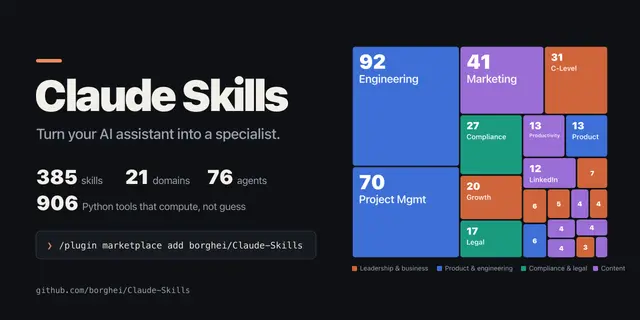
npx skills add borghei/Claude-Skills --skill internal-comms -g -a claude-code -y- Repository
- borghei/Claude-Skills1k
- Category
- Testing
- Updated
- 12d ago
- License
- MIT + Commons Clause
- Context cost
- Mediumabout 3,000 tokens
- Runs scripts
- Yes, review before use
What it does
Plan, sequence, and pressure-test internal announcements before they send. Use when announcing a reorg, policy, or product change, drafting an all-hands or exec update, or deciding who hears what and in which order.
Internal Communications
Internal communication fails in predictable ways: the wrong people hear it first, the message explains the decision but not the consequence, and nobody tests the draft before it reaches 2,000 inboxes. This skill treats an announcement as an artifact with a blast radius, a sequence, and a pass/fail quality bar, not as a writing exercise.
The three levers are who hears it in what order, what the message must contain, and which channel carries it. Get those right and tone matters far less than people assume.
When to use this skill
- Announcing a reorg, layoff, or leadership change where sequencing errors are unrecoverable
- Rolling out a policy change (RTO, expenses, security, performance process) that people must act on
- Communicating a product or system migration with a deadline and a required user action
- Structuring a recurring all-hands or weekly exec update that currently reads as a status dump
- Pressure-testing a draft before send: reading level, jargon density, missing elements
- Deciding channel and cadence for a multi-week change programme rather than a one-shot email
Inputs the skill expects
- The change itself: what is changing, effective date, whether it is reversible
- Audience list with impact level (high / medium / low) and rough headcount per group
- Draft text, if one exists (plain markdown or text is fine)
- Constraints: embargo, legal review, regulatory disclosure, market-sensitivity
- Available channels and which ones your org actually reads
- Who can answer questions after send, and where
Clarify First
Before generating, settle the inputs below. When one is missing or vague and would change the result, ask about it; when it wouldn't, use a sensible default and say which one you used.