Ccs Author Response
Use when drafting an ACM CCS rebuttal during the HotCRP author-response window...
Install
npx skills add brycewang-stanford/Awesome-Journal-Skills --skill ccs-author-response -g -a claude-code -y- Repository
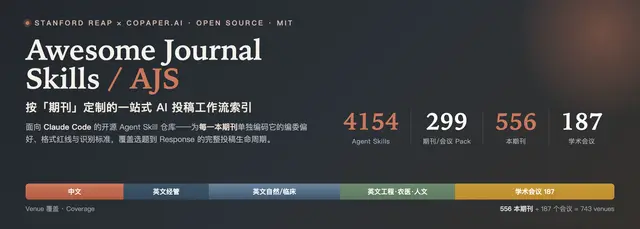
- brycewang-stanford/Awesome-Journal-Skills1.3k
- Category
- Security
- Updated
- 1mo ago
- License
- MIT
- Context cost
- Lightabout 863 tokens
- Runs scripts
- No, instructions only
What it does
Use when drafting an ACM CCS rebuttal during the HotCRP author-response window, covering threat-model defenses, adaptive-attack objections, ethics and disclosure questions, anonymity constraints, adversarial reviewer pushback patterns, and decision-focused replies aimed at the meta-reviewer.
CCS Author Response
Use this after CCS reviews are released. Reopen the current HotCRP rebuttal instructions and any length or format limits before drafting, because response mechanics are set per cycle.
Triage
- Answer concerns that affect the decision: threat-model soundness, novelty, correctness, evidence quality, ethics, and disclosure. Skip cosmetic complaints unless space allows.
- Use evidence already in the submission: sections, appendices, measurement tables, and the ethics section. The rebuttal clarifies the submitted paper; it does not add a new paper.
- Keep the reply anonymous. Do not reveal institution, authorship, private URLs, or the identity of a disclosed vendor if that would deanonymize you.
- Correct factual misreadings first, then address the strongest objection to the attacker model or the adaptive evaluation.
- Do not promise experiments you cannot run before camera-ready; promise only edits that add no unsupported claim.
Drafting pattern
- State the decision-critical correction or concession in the first line.
- Point to exact submitted evidence (section, figure, appendix).
- Explain the security consequence, why the attack still holds, or the defense still binds.
- Offer a scoped camera-ready edit only where it clarifies without over-claiming.