Memlab Find Web Leaks
Find memory leaks in a web app with memlab.
Install
npx skills add meta/memlab --skill memlab-find-web-leaks -g -a claude-code -y- Repository
- meta/memlab5.1k
- Category
- Design
- Updated
- 4d ago
- License
- MIT
- Context cost
- Lightabout 1,354 tokens
- Runs scripts
- No, instructions only
What it does
Find memory leaks in a web app with memlab. Write a test scenario (url, action, back) that drives the page in Chromium through Puppeteer, run `memlab run`, read the clustered leak traces, and fix the code that keeps detached DOM elements, unmounted React components or other objects alive. Use when the user asks to check a page, component, modal, dialog, route or user flow for memory leaks, to write a memlab scenario, to set up memory leak tests for a web app, or to find out why memory is not released after a UI interaction is undone.
Find memory leaks in a web app with memlab
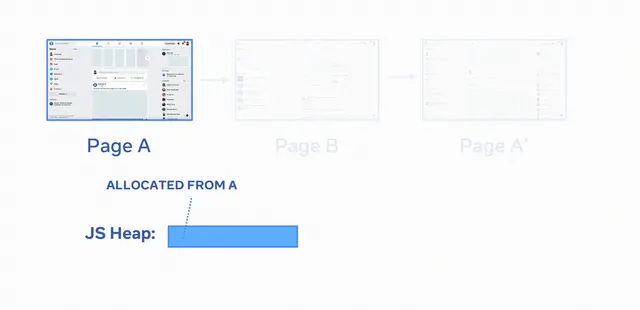
memlab loads the page, takes a heap snapshot, runs the interaction you suspect
(action), undoes it (back), and takes two more snapshots. Objects that
action allocated and that are still alive after back are leak candidates.
By default memlab reports detached DOM elements and unmounted React Fiber
nodes, grouped into clusters by retainer trace.
1. Install
npm install -g memlab   # or prefix every command with npx: npx memlab run ...
memlab version
2. Write the scenario
Save a file such as scenario.js. Pick one interaction, and make back
its exact inverse:
// scenario.js
module.exports = {
  // Page to load first. memlab takes the baseline snapshot here.
  url: () => 'http://localhost:3000/',

  // The interaction suspected of leaking. Target snapshot after this.
  action: async page => {
    await page.click('[data-testid="open-settings"]');
    await page.waitForSelector('[data-testid="settings-dialog"]');
  },

  // Undo the interaction without reloading. Final snapshot after this.
  back: async page => {
    await page.click('[data-testid="close-settings"]');
    await page.waitForSelector('[data-testid="settings-dialog"]', {hidden: true});
  },
};
Rules that keep the result valid:





